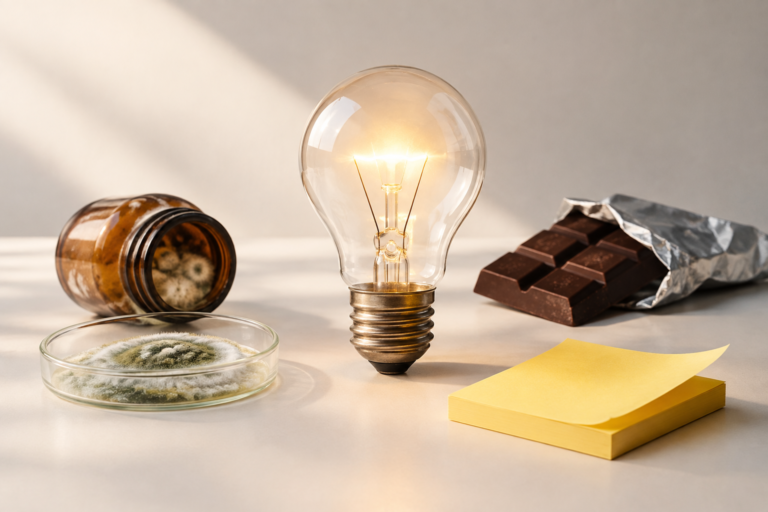
Happy Mistakes: The Accidental Inventions That Changed the World
In September 1928, a Scottish scientist came back to his laboratory in London after a summer holiday. His name was Alexander Fleming,…
Free reading practice
Free English texts for A2-B1 learners: short, interesting articles with key vocabulary. Read online or open them in Booklex to translate any word.
In September 1928, a Scottish scientist came back to his laboratory in London after a summer holiday. His name was Alexander Fleming,…
In Naples, a man walks into a bar, says one word to the barista and drinks his espresso standing up. Ninety seconds…
Here is a strange fact: we have better maps of the surface of Mars than we have of the bottom of our…
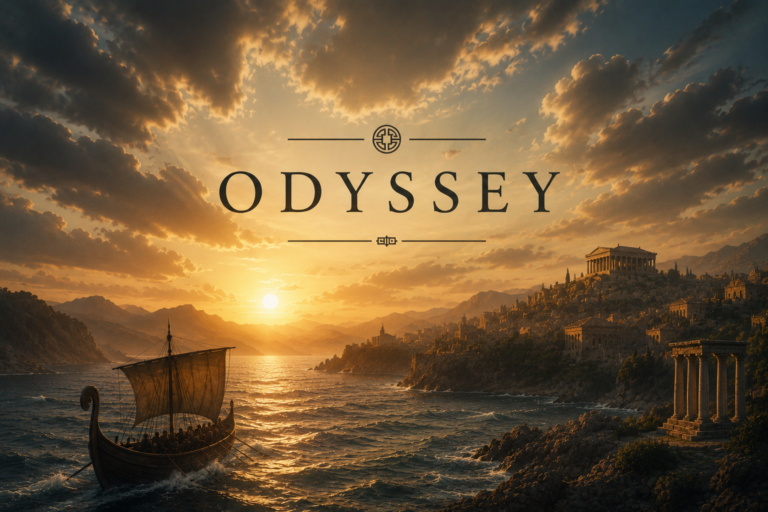
Imagine a film crew retracing a hero’s ten-year journey home — except this time, the journey takes eight months, not ten years,…
Imagine 48 national teams, 16 cities, and three countries all sharing one football tournament. This is not a dream — it is…
A beginner-friendly guide to the world’s most exciting individual sport Sport & Lifestyle | June 2026 Imagine standing alone on a court.…
Whether you are a nervous first-time flyer or a seasoned traveler who has collected hundreds of boarding passes, the world of aviation…
How a small television experiment in 1956 became the world’s biggest music competition Every May, more than 160 million people across Europe…
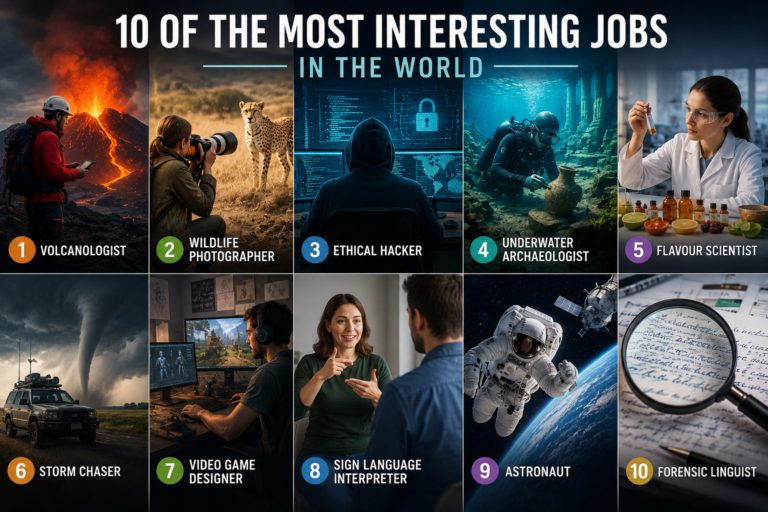
1. Volcanologist Field: Earth Science Imagine standing next to a river of hot lava. For most people, this is a nightmare. For…
Travelling to Italy Italy is one of the most popular travel destinations in the world. Every year, millions of tourists come to…
From trading goats to tapping your phone — how humans invented money, how it developed over thousands of years, and what forces…
A2–B1 is the bridge between basic and independent reading. At A2 you can handle short everyday texts; at B1 you read longer texts on familiar subjects, follow the main line of an argument and understand descriptions of events, feelings and plans. Most learners spend the longest time at this stage, and reading is one of the fastest ways through it.
Articles at this level are longer and the sentences more varied: around sixteen words on average, with past tenses, linking words like “however” and “although”, and some subordinate clauses. The topics include travel, sport, food and the history of science. Each paragraph has a few unfamiliar words, enough to learn something without losing the thread.
Research on reading suggests that you need to know about 98% of the words in a text to read it comfortably, roughly one unknown word in fifty. If you stop much more often than that, go back to A1–A2 for a while. And save the words that keep coming back from one article to the next: they are the ones worth learning first.
Free on iPhone and iPad. Your first book is a tap away.